The dry season versus green season question in Amboseli is really about what kind of safari you are looking for. The park works in both periods, but it behaves differently in each. Elephants concentrate more predictably in dry months. The landscape reads as softer and more atmospheric in wet months. Kilimanjaro is more reliably visible at dawn in one season and more dramatically lit but less predictable in the other.
Here is a practical breakdown of what each season actually delivers.
When Each Season Falls
Dry season windows in Amboseli:
- June to October (long dry)
- January to February (short dry)
Green season windows:
- March to May (long rains)
- November to December (short rains)
- The shoulder around early March can run either way
Wildlife Visibility: Dry Season Has the Edge
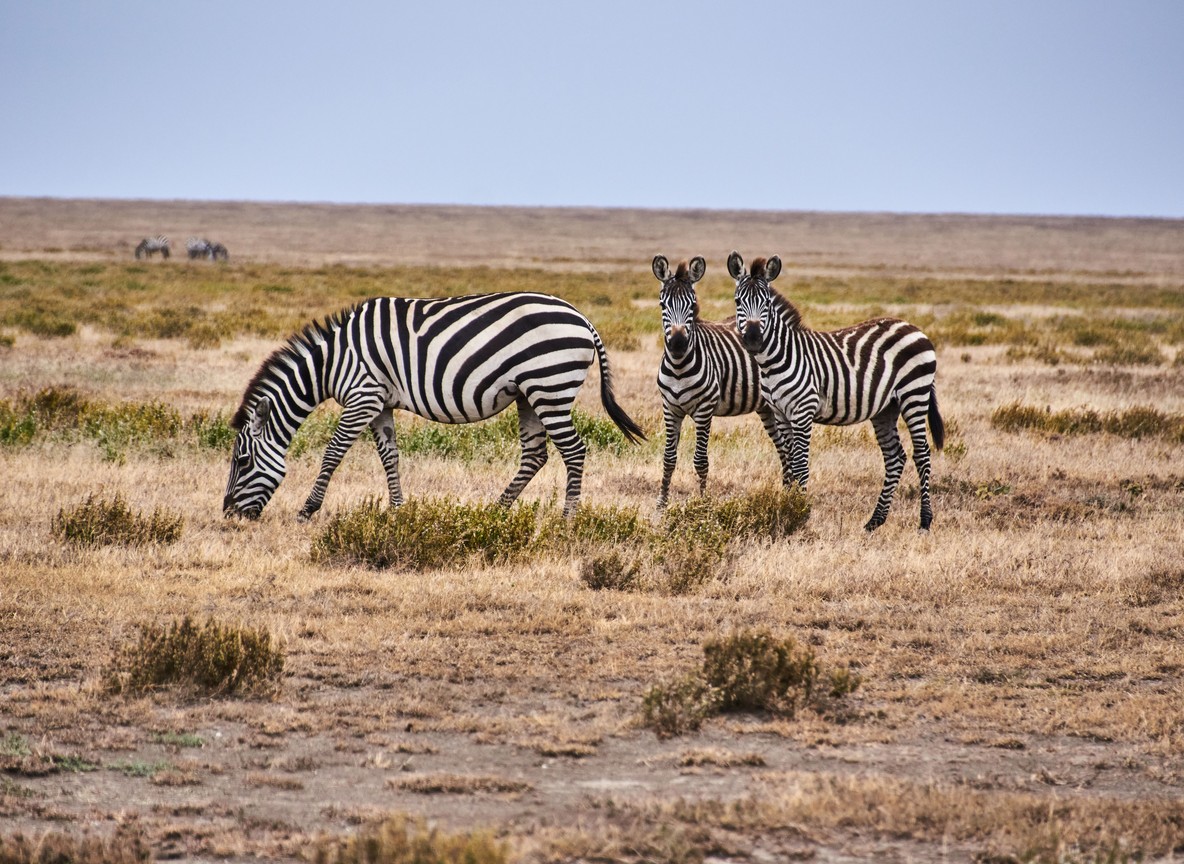
For straightforward wildlife visibility, dry season is the stronger option. The reasons are practical: shorter grass, less visual clutter, and animals patterned more clearly around water sources. Game drives are easier to read when you can spot a herd at 300 metres rather than having to work through tall vegetation.
This advantage is most pronounced for:
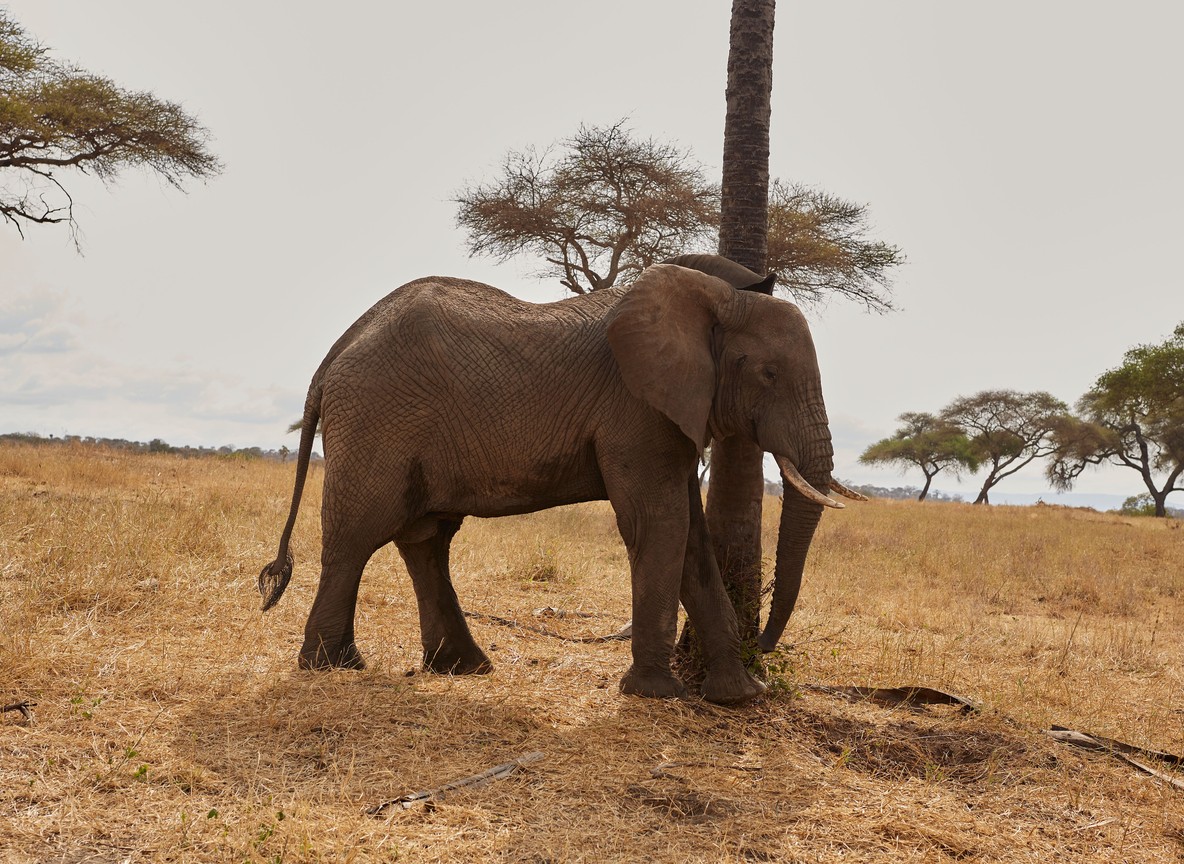
- Elephant herds, which concentrate around the swamp systems
- Buffalo near permanent water
- Predator sightings, where open ground makes lion and cheetah searches more productive
For a first-time safari visitor who wants maximum sightings per drive, dry season is the clearer recommendation.
Atmosphere and Scenery: Green Season Has the Edge
Green season produces a different visual register entirely. The plains turn rich and layered, storms build dramatic cloud formations, and the swamps and wetlands feel fuller and more alive. Photography can look less harsh and more textured than the dusty dry-season landscape.
Travelers who value mood over maximum sighting count often prefer green season once they understand the tradeoff. The park feels more intimate during quieter periods. The experience is less about maximizing encounters and more about absorbing the ecosystem as it is, rather than at its most concentrated.
Kilimanjaro Views: Dry Season Wins
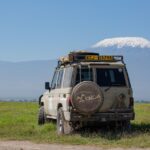
If clear Kilimanjaro views are a priority, dry season is the more dependable choice. Cloud builds less aggressively in dry months, mornings are clear more consistently, and a series of dawn drives is easier to plan around reliable mountain visibility.
Green season can still produce extraordinary mountain reveals after rainfall, when the air clears and the mountain appears unexpectedly against a dramatic sky. But it is not the basis for reliable planning. Photographers specifically timing their trip around Kilimanjaro-elephant compositions should weight this factor heavily.
Birding: Green Season Wins
Amboseli is an Important Bird Area with more than 400 recorded species, and the wetter periods strengthen both wetland birdlife and migratory species activity. If the trip includes a specific birding focus — waterbirds, migratory European species, or green wetland species activity — green season becomes substantially more attractive. The drier periods are not poor for birding, but the richest window is the wetter one.
Crowd Pressure and Cost
Dry season attracts higher visitor numbers, more pricing pressure, and more first-time safari traffic. This is neither good nor bad — it reflects that dry season is genuinely the easier introduction to the park.
Green season brings lower crowd levels, better value at most camps, and more room for a more personal itinerary. Many repeat Amboseli visitors shift toward green season specifically because they already know the park works, and now they want fewer vehicles and more atmosphere.
Road Conditions
Dry season has the practical edge for road conditions: less mud, cleaner overland movement, simpler logistics for short stays. Green season is workable, but it asks for more realistic planning around route timing and vehicle choice. Some tracks become soft enough that camp recommendations about which circuits to use on a given day are worth following.
How the Camp Experience Changes
One underrated dimension of the dry-vs-green comparison is how the accommodation experience itself shifts with the season.
In dry season, camps feel outward-looking and clean-lit. Terraces and decks work well in clear morning light. The overall safari feels open and classical — wide savannah, good visibility, straightforward game-drive rhythm.
In green season, the ecosystem feels softer and more enclosed. Storm light and richer vegetation change the atmosphere considerably. The stay can feel more intimate and more immersive in a different way. Some travelers are not only buying game drives — they are buying the emotional tone of the trip, and green season has a specific mood that dry season does not replicate.
Quick Comparison: Dry vs Green Season in Amboseli
| Factor | Dry Season | Green Season |
|---|---|---|
| Wildlife visibility | Stronger | Softer, less direct |
| Kilimanjaro reliability | Stronger | Less reliable |
| Birding | Good | Better |
| Scenery | Dustier, classic | Greener, moodier |
| Road conditions | Easier | More variable |
| Value | Lower | Better |
| First-time safari fit | Best | Better for flexible travelers |
Which Season Fits Which Traveler
Choose dry season if:
- This is your first Amboseli safari
- You want the most straightforward wildlife viewing conditions
- Kilimanjaro views are a specific priority
- You are on a short stay with limited margin for weather variation
Choose green season if:
- You prefer lower crowd pressure and more intimate game viewing
- Birding matters to the trip
- You want dramatic skies and richer landscape photography
- You are comfortable absorbing more weather variation and want the moodier version of the park
The most common mismatch is a first-time visitor choosing green season while expecting dry-season clarity. The other mismatch is a repeat visitor choosing dry season when what they actually wanted was atmosphere and fewer vehicles. Getting clear on your priorities before booking prevents both.
Explorer Notes
- Short stays of two to three nights favour dry season more clearly. With fewer drives to work with, you need easier conditions faster.
- Green season becomes more attractive the more nights you have. Absorbing variation is much easier over five or six nights than over two.
- January and February are often overlooked — they offer dry-season wildlife conditions without the July-October peak pricing.
- November and early December are a sweet spot for green-season visitors: the short rains bring lush scenery and lower crowds, but accommodation is easier to find than during the long rains of April to May.
What to Read Next
Both seasons in Amboseli are genuinely good. The choice comes down to a simple trade: dry season gives clarity, green season gives atmosphere. Neither is the wrong answer — they are just different answers for different travelers.
Every trip described here can be tailored: dates, budget, camps, and pace built around you.
Get a Personalised Safari